
By KELSEY WICK
Tiger Media Network
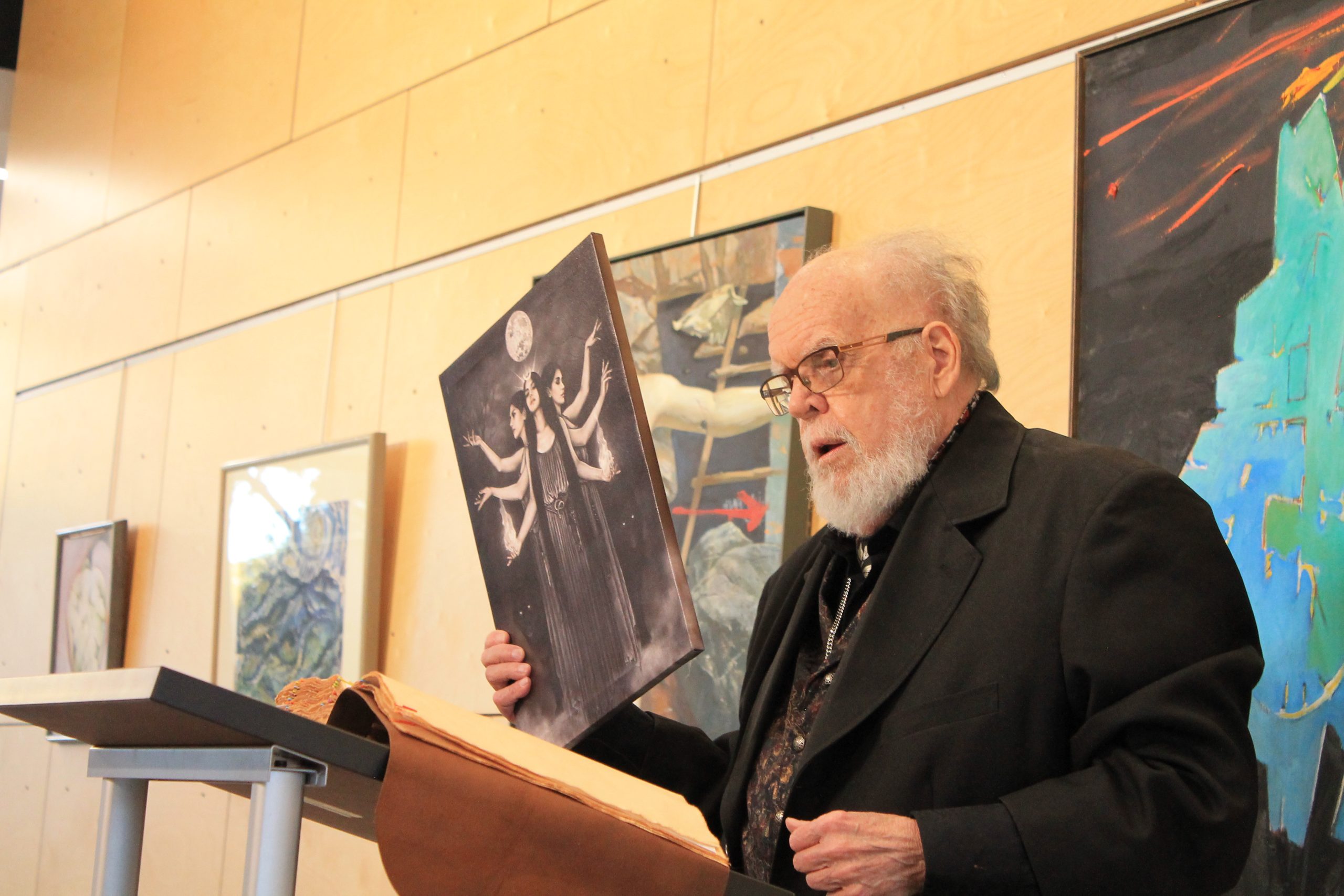
Last week, Robert Luehrs explored the historical and cultural development of witches in literature and media through his annual spooky Halloween presentation. He began with references to Shakespeare’s “Macbeth,” emphasizing how early portrayals of witches shaped their role in Western storytelling. These foundational depictions established themes of prophecy, fear, and supernatural influence that continue to inform modern interpretations.
The presentation then examined the evolution of the Wicked Witch of the West, beginning with L. Frank Baum’s 1900 novel “The Wonderful Wizard of Oz.” Later adaptations—including the 1939 film, the novel “Wicked,” and its musical version—altered the character’s appearance and narrative function. These reinterpretations contributed to a broader shift in how witches are portrayed, moving from one-dimensional villains to more complex figures.


Luehrs also addressed contemporary portrayals, such as Agatha Harkness from “WandaVision.” Her theme song, “Agatha All Along,” references Hecate, a figure from Greek mythology associated with witchcraft, crossroads, and the night. This connection illustrates how modern media continues to draw from classical sources to shape supernatural characters.
“You’re supposed to know Agatha—very good—with Hecate and her daughters,” he said.
The presentation concluded with a discussion of Hecate’s historical role and her influence on later depictions of witches. As a mythological figure, Hecate represents spiritual authority and liminality, traits that have been adopted and reinterpreted across centuries of storytelling. Her legacy remains evident in both literary and visual narratives today.
You must be logged in to post a comment.