
Stock image
By TANNER MAWHIRTER
Tiger Media Network
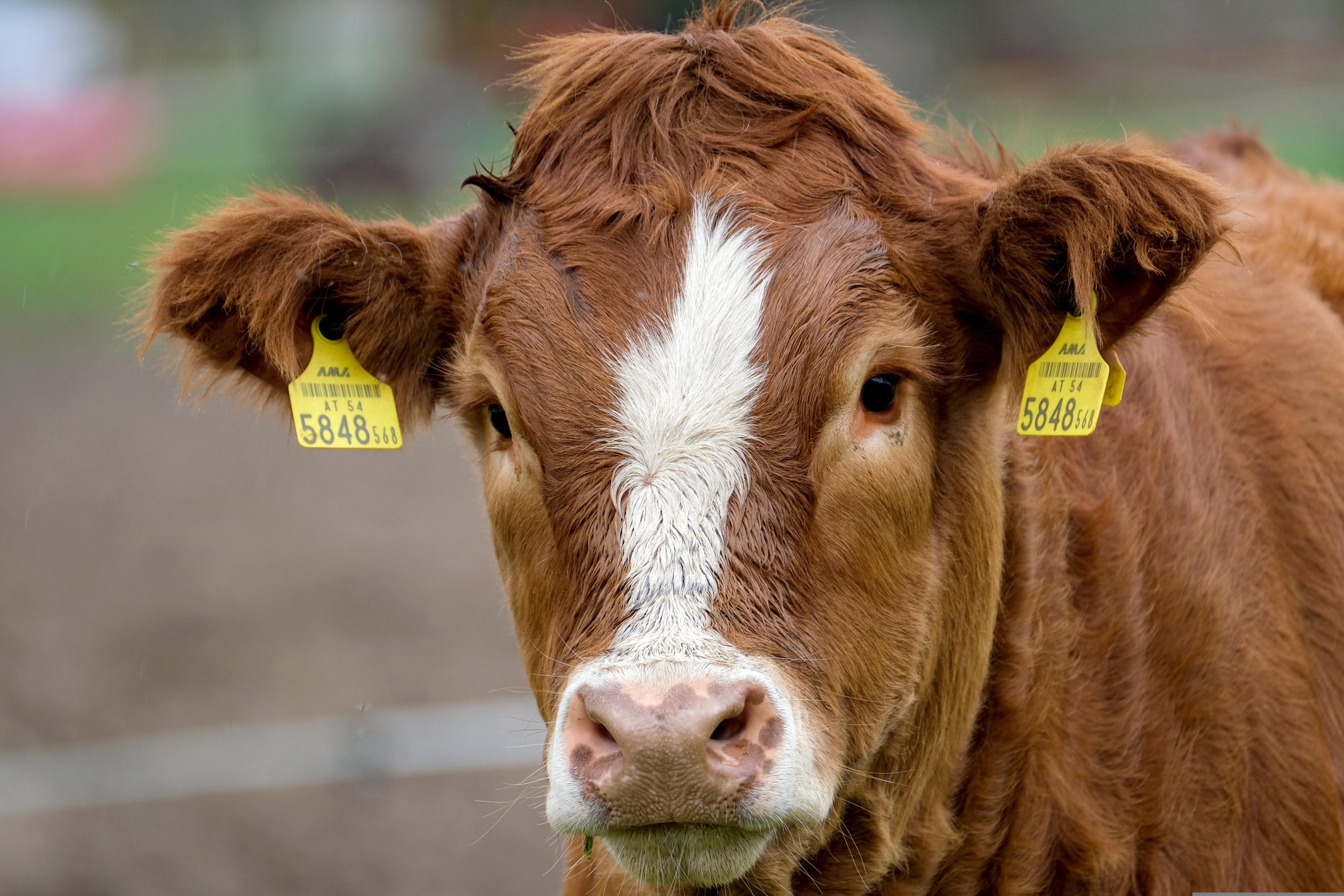
Concerns over the rising cost of beef have surfaced across the nation. In Kansas, right in the middle of beef country, these concerns are especially notable. High cattle prices have driven up retail costs for ground beef, steaks, briskets, and everything in between that many Americans enjoy eating.
“Cattle prices are at a historical high right now,” said Jeremy Ryan, a lecturer of agricultural business at Fort Hays State. “Front month feeder cattle prices are at $340 per hundredweight and live cattle are at $226 per hundredweight.”
Ryan, who has a specialty area in agricultural economics, said inventory numbers for beef cattle are the lowest they’ve been in the last 73 years.
“[It is] basic supply and demand, low inventory, high prices,” he said. “Where will prices go? That’s the ultimate question. As long as inventory numbers stay low, prices will hold steady.”

Brittany Howell, an associate professor of agriculture at FHSU, further explains the issue of cattle prices.
“As shown by CattleFax, beef prices, which have steadily risen since 2023, have declined in most categories (calves, feeder and fat cattle) since mid-summer, but beef demand is still strong and cattle numbers are still low, so [there is] low supply,” she said. “Cow-calf pairs and bred females prices are likely to stay similar to last year. Ranchers are expected to slowly retain females and begin rebuilding their herd inventory.”

Understanding what drives cattle prices up is half the battle; the other half is understanding what the American government can do to bring prices back down to an affordable level. Ryan explains what the U.S. has tried and how those efforts have unfolded, including the importation of foreign beef.
“When the U.S. administration starts talking about dropping tariffs on imported beef to ease retail prices, prices will drop,” he said. “Recently the U.S. industry started importing South American beef to help ease prices at the retail level. We have not seen a price change since this was utilized on September 1. We could see strong beef prices for the next couple of years, at least until inventory numbers get back to pre-pandemic levels.”
The most important factor in cattle prices is how they will affect the farmers who make a living from selling cattle. With cattle prices tanking, many wonder if there is any hope for farmers. According to Ryan, cattle prices will take a hit, but there are ways to survive it.
“Farms have a few options to leverage their capital. First, they could utilize more marketing strategies to sell direct or at least cut out the middlemen,” he said. “Currently, farmers are receiving less than $0.06 of every dollar spent at retail, which is significantly less than just a few short years ago. The other option is to be sure you are not functioning in only one enterprise as a producer.”
Ryan said most farmers who produce cattle full-time are also engaging in raising corn, milo, wheat, hay and might even have a small feed yard. He said being diverse allows them to absorb tough times more easily.
“When one enterprise takes a hit, the other enterprises can absorb it. High cattle prices at the wholesale level affect retail prices significantly,” he said. “As a consumer, we not only see the price of beef rising at the grocery store, but we see all food prices going up even when we try to find a protein substitute, such as pork or chicken.”
Ryan said that ultimately, high prices cure high prices, saying it is not if beef prices will come down, but when.
“They will come down eventually, but right now we are in the wait-and-see mode,” he said.
Howell also has hope for the economic situation farmers are in right now.
“Cattle producers have increased the sales of choice and prime grading beef, which is what the consumer signaled they wanted and thereby increased beef demand,” she said. “So cattle producers should continue to listen to consumers and market signals.”
Howell referenced graphs from Glyn Tonsor, which indicate that profitability potential for cow-calf producers is still strong, but the higher grain prices have put more pressure on feedyards to make a profit.


You must be logged in to post a comment.